
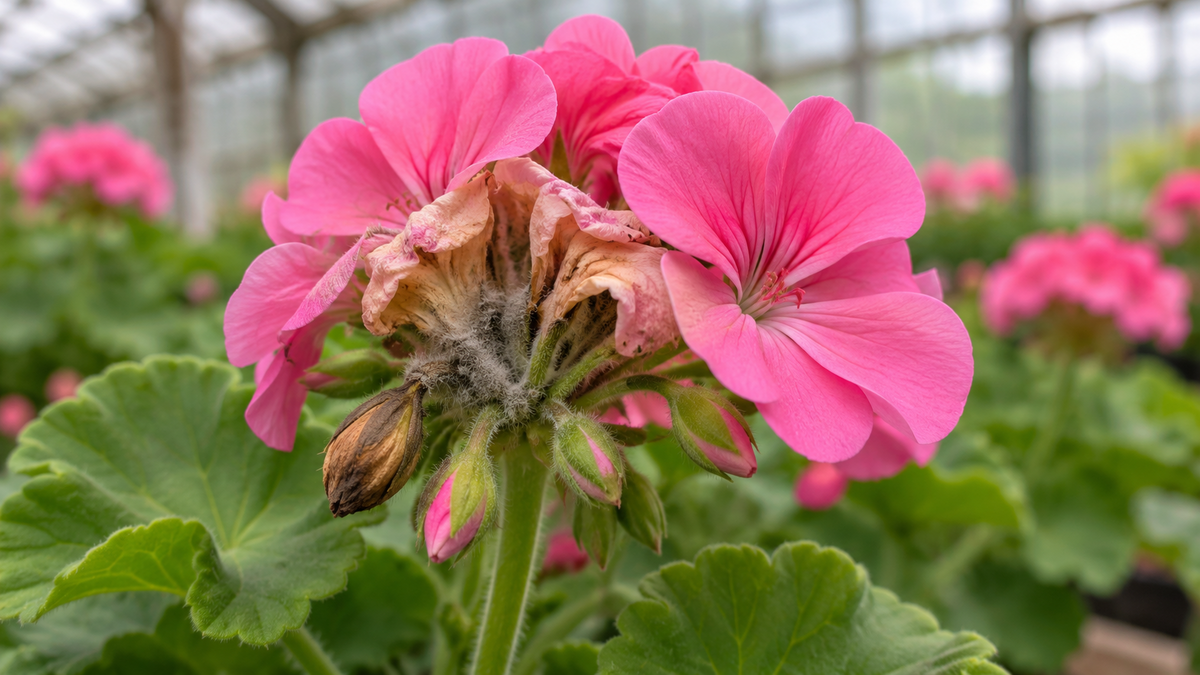
Dealing with Botrytis: How to Identify and Prevent Bud Rot
Botrytis can be easy to miss until damaged flowers or small brown leaves appear in an otherwise healthy-looking garden. Often called gray mold, this fungal disease can develop inside dense flowers, where moisture lingers and inspection is difficult. For growers dealing with bud rot, early detection, careful removal, and moisture management are essential.
This guide explains what to look for, how to respond to suspected Botrytis, and how to reduce conditions that encourage it during flowering, harvest, and drying.
What Is Botrytis?
Botrytis is a fungal disease associated with gray mold and decay on many types of plants. In flowering crops, it can cause the problem commonly described as bud rot. Infection may begin in protected areas near the stem or inside tightly packed flowers, so the outside does not always reveal the extent of the damage.
Removing visibly affected material is only part of the response. Spores may be present elsewhere, and nearby flowers need continued inspection even when they look unaffected.
How to Identify Botrytis and Bud Rot
Make close inspection part of your regular garden routine, especially during late flowering and after damp weather. Watch for:
- Unexpected browning: Sections of a flower, calyx, or small inner leaf turn brown while surrounding growth remains green.
- Decay inside dense flowers: Damaged tissue appears near the stem or beneath an apparently healthy outer layer.
- Gray, fuzzy growth: Mold may become visible as the disease develops.
- A change in tissue texture: Affected areas may become soft and deteriorate, or dry out and crumble.
Browning alone does not confirm Botrytis. Other problems can produce similar symptoms. If you are unsure, seek identification from a plant-disease diagnostic service or local extension office rather than assuming every brown area is bud rot.
Why Moisture and Airflow Matter
Dense plant growth, prolonged dampness, and limited air movement create conditions favorable to gray mold. Outdoor plants may stay wet after rain, fog, or heavy dew. Indoors, moisture can accumulate in crowded canopies and poorly ventilated spaces.
Check conditions around the flowers, not just in an open area of the room. A single humidity reading may not reflect a sheltered pocket inside the canopy. Pay particular attention to overnight conditions and the period after watering.
What to Do When You Find Suspected Bud Rot
- Handle the plant as little as possible. Avoid shaking affected flowers or directing a fan at visible mold, which can disturb spores.
- Contain the affected material before cutting. Where practical, gently place a bag around the affected flower or section before removing it. This can help limit debris and spore dispersal.
- Remove damaged material from the growing area. Seal it for disposal rather than leaving it on the floor or workbench. Do not mix it with unaffected harvested material.
- Clean tools and work surfaces. Remove plant debris and use an appropriate tool disinfectant according to its directions before moving to another plant.
- Inspect surrounding plants. Look closely at nearby flowers and continue checking over the following days. One removal does not establish that the problem is resolved.
- Address the conditions that allowed moisture to linger. Review spacing, ventilation, humidity, and watering practices.
Removing affected tissue does not restore it or establish that the remaining crop is safe to use. Keep visibly moldy material out of your finished harvest.
How to Reduce the Risk of Botrytis
Improve Air Movement Around Plants
Allow room between plants and avoid an overcrowded canopy. Use gentle, consistent air circulation rather than a strong stream aimed at one flower. Air movement should help prevent stagnant pockets, not spread debris from infected tissue.
Manage Humidity and Prolonged Wetness
In enclosed growing spaces, monitor humidity and use ventilation or a properly sized dehumidifier when needed. Outdoors, inspect plants after wet weather and improve spacing where practical. Avoid unnecessary wetting of flowers, particularly when they will not have an opportunity to dry promptly.
Keep the Growing Area Clean
Remove fallen leaves, spent flowers, and other decaying plant debris. Keep pruning tools, containers, and work areas clean. Sanitation works alongside environmental control; it does not replace it.
Inspect Frequently During Flowering
Check dense flowers and areas near stems without unnecessarily damaging healthy tissue. Investigate isolated brown leaves instead of waiting for a larger patch of decay to appear. Finding a problem sooner gives you a better opportunity to contain affected material.
Botrytis Management During Harvest and Drying
Do not stop inspecting once plants are cut. Moisture can remain trapped in tightly packed harvested flowers, and drying areas also need environmental control.
- Inspect material before it enters the drying area and keep suspect batches separate.
- Leave space between hanging branches or drying trays so air can circulate.
- Monitor humidity and temperature throughout drying rather than relying on how the room feels.
- Keep drying equipment and surfaces clean, and remove newly discovered moldy material carefully.
- Do not assume that drying, air purification, or dehumidification will make already moldy material usable.
Dehumidifiers can help manage moisture, but they are not a cure for infected flowers. Air filtration is also not a substitute for removing affected material and correcting environmental conditions.
Should You Wash Moldy Flowers with Hydrogen Peroxide?
Monster Gardens does not recommend a hydrogen peroxide bath as a way to rescue a mold-affected harvest. A wash does not establish that contamination has been removed from inside dense flowers or that the material is safe for its intended use. Focus on prevention, careful handling, and keeping affected material out of the finished crop.
Frequently Asked Questions About Botrytis
Can Botrytis develop inside a flower before it is visible outside?
Yes. Decay can develop near the stem or inside a dense flower before obvious outer symptoms appear. Small brown inner leaves or localized discoloration are reasons for a closer inspection.
Will a dehumidifier get rid of bud rot?
No. A dehumidifier helps manage a condition that encourages mold, but it does not repair infected tissue. Remove affected material carefully and review the environment at the same time.
Can Botrytis remain a concern after harvest?
Yes. Harvested material still needs inspection, adequate spacing, and controlled drying conditions. Keep suspect material separate rather than combining it with the rest of the harvest.
Build Prevention Into Your Garden Routine
The most practical approach to Botrytis is consistent inspection combined with moisture control, good spacing, and clean handling. If you find suspected bud rot, contain and remove affected material carefully, inspect nearby plants, and correct damp or stagnant conditions. For help choosing humidity-monitoring, air-circulation, or dehumidification equipment for your space, contact the Monster Gardens team.